Program

26/09/2025

Science Bazaar: INNO2MARE – Presentation and Demonstration of Key Maritime Technologies

At our booth, we will use videos and demonstrations to showcase our work within the INNO2MARE project and illustrate how the project contributes to innovation and sustainable development in maritime regions.

10:00-18:00

Center Rog

Science Bazaar: INNO2MARE – Presentation and Demonstration of Key Maritime Technologies

Humanistika Logo

Organized by: University of Ljubljana, Faculty of Maritime Studies and Transport (UL FS) and LASIM Laboratory.

Program

26/09/2025

Science Bazaar: Experience Europe at the EU House

How Well Do You Know the European Union?

10:00-18:00

Center Rog
Humanistika Logo

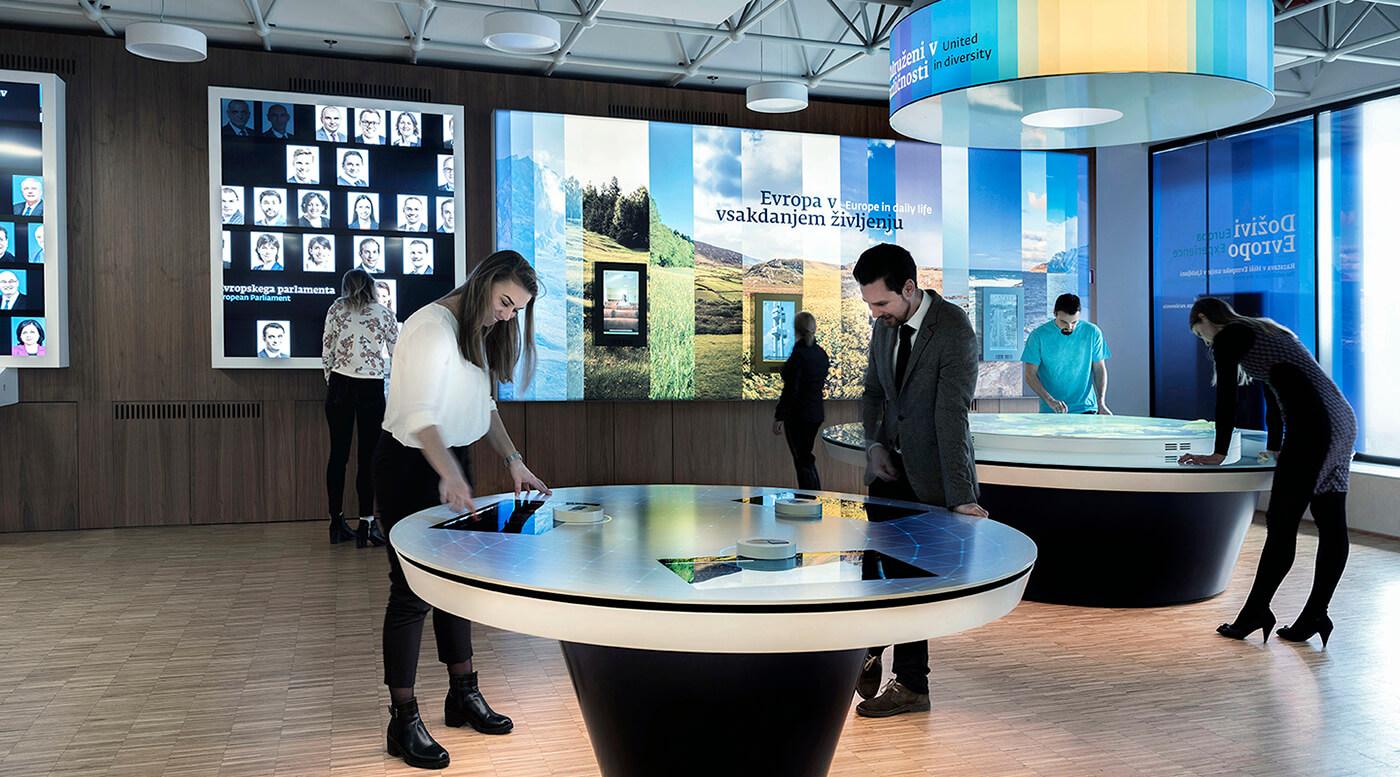
Explore Europe and discover how the EU impacts our everyday lives. At our booth, you’ll find engaging, Europe-themed challenges. With a bit of luck and some knowledge, you could win great prizes!

You are also warmly invited to visit us at the multimedia center Experience Europe at the EU House, Dunajska 20. We are open Monday to Friday from 8:00 to 17:00. Admission is free, and you can book your visit through this link (visiting.europarl.europa.eu/…ce/ljubljana).

Organized by: The European Parliament Office in Slovenia and the European Commission Representation in Slovenia.

Program

26/09/2025

Science Bazaar: Virtual Assistant for Health Improvement?

Discover whether artificial intelligence (AI) can support a healthy lifestyle through virtual assistants, and test your knowledge in a fun board game or quiz.

10:00-18:00

Center Rog

ENR2024-24

Humanistika Logo

We will explore how AI provides personalized advice on nutrition and physical activity, and which knowledge and skills are needed to make informed decisions. This will be illustrated by measuring vitamin C levels in fruits and vegetables using methods proposed by both humans and AI.

Organized by: Irina Milisav (University of Ljubljana, Faculty of Medicine – UL MF).

Program

26/09/2025

Development of a New Medicine

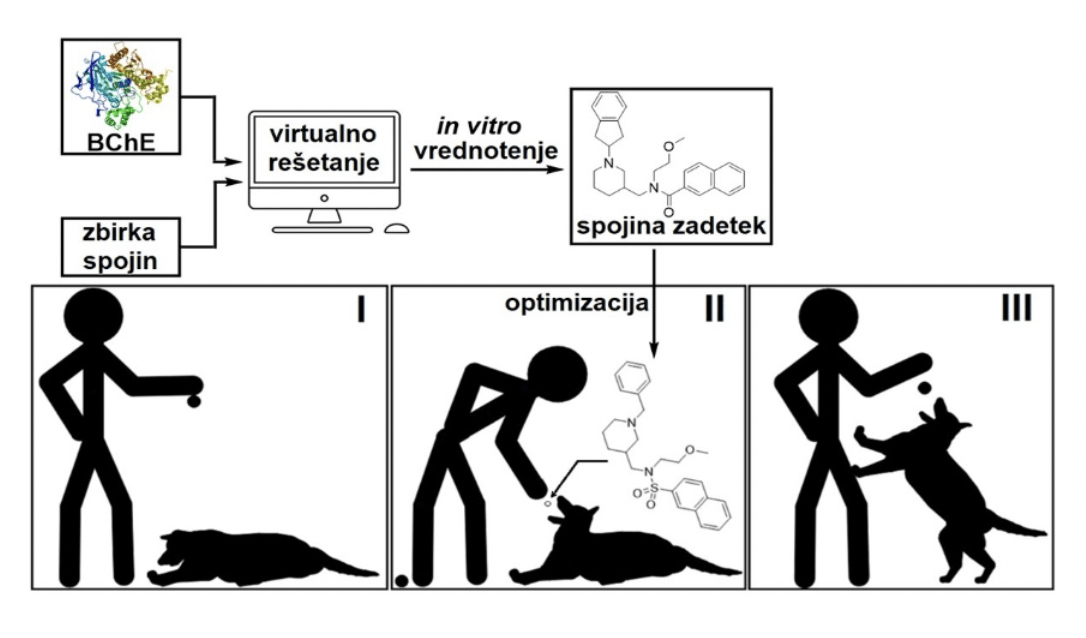
Using our medicine for relieving symptoms of canine dementia as an example, we will show participants in a simple and engaging way how artificial intelligence (AI) is used to discover and develop new active compounds.

17:00-21:30

UL Fakulteta za farmacijo, Aškerčeva 7, Ljubljana
Humanistika Logo

In addition, visitors will have the chance to tour the synthetic laboratories on the ground floor of the Faculty of Pharmacy and get a brief overview of the work conducted there.

Organized by: Urban Košak (Faculty of Pharmacy, University of Ljubljana).

Program

26/09/2025

How do artificial intelligence and virtual reality shape the future of drug development and production?

The goal of this activity is to showcase the process of making medicines — tablets — and to introduce participants of all ages (from primary and secondary school students to adults) to the exciting possibilities of artificial intelligence (AI) and virtual reality (VR) in pharmaceutical technology.

17:00-21:00

Faculty of Pharmacy, University of Ljubljana, Aškerčeva 7, Ljubljana
Humanistika Logo

Participants will get a hands-on look at how tablets are made — compressing powder mixtures with a tablet press — and discover how advanced computational approaches can make drug development faster and more environmentally friendly. Visitors will even prepare their own excipient blends, press them into tablets, and test their strength and disintegration. For an even deeper dive, VR headsets will transport participants into realistic virtual lab environments. This workshop is organized in collaboration with Lek d.d.

Organized by: Blaž Grilc, Anže Zidar, Zoran Lavrič, Špela Zupančič, and Alenka Zvonar Pobirk (Faculty of Pharmacy, University of Ljubljana), in cooperation with Lek d.d.

Program

26/09/2025

Computational Approaches in Toxicology – An Alternative to Animal Testing

Artificial intelligence (AI) plays a key role in advancing various scientific disciplines, including toxicology.

18:30-19:30

UL Fakulteta za farmacijo, Aškerčeva 7, Ljubljana
Humanistika Logo

AI is strengthening the field of toxicology by improving drug safety and environmental health. Toxicologists and researchers use AI to develop advanced computational models that can quickly analyze and predict potential risks of various chemicals, drugs, and substances. Machine learning algorithms can be trained to recognize patterns in large datasets on chemical compounds and their toxicological effects.

In this activity, participants will explore the use of computational (in silico) methods as alternatives to animal testing. Through demonstrations of different software programs, they will learn how these methods can replace animal experiments, which are often painful and stressful for the animals. The aim is to show that computational approaches can partially substitute traditional testing, are ethically sound, and often more cost-effective. This activity is organized in partnership with the National Institute of Chemistry.

Organized by: Marija Sollner Dolenc in collaboration with colleagues from the National Institute of Chemistry (Faculty of Pharmacy, University of Ljubljana).

Program

26/09/2025

Virtual Laboratory for Researchers of the Future

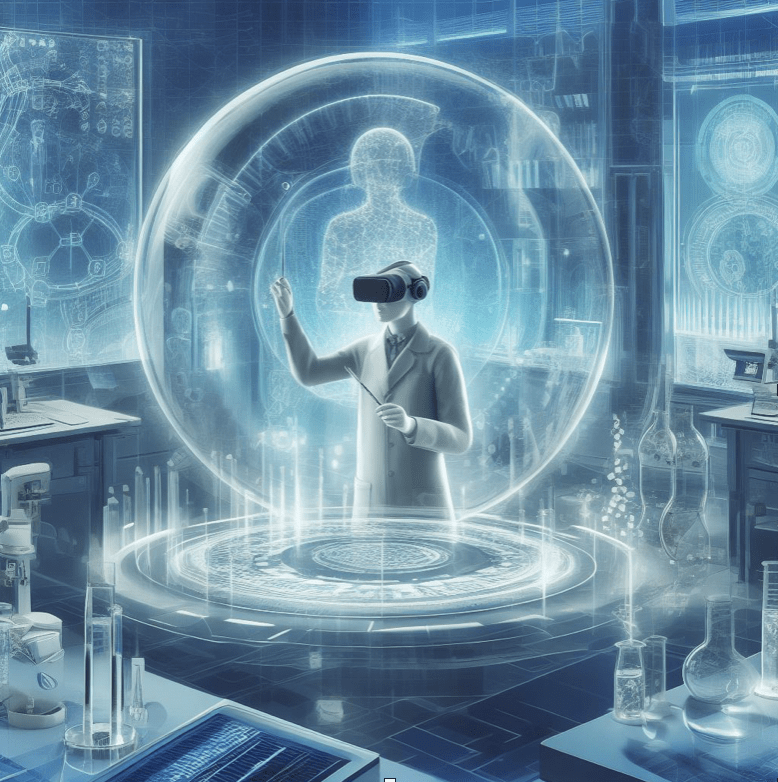
The main goal of the activity is to show university students, high school and elementary school pupils, as well as other interested participants, how virtual reality technology can be used in learning manual and other laboratory skills.

17:00-21:30

Faculty of Pharmacy, University of Ljubljana Aškerčeva 7, Ljubljana

Foto: Image Creator from Microsoft Designer

Humanistika Logo

The use of virtual reality (VR) technology in learning laboratory skills has become a groundbreaking and innovative solution for education and training in scientific disciplines. With VR, students and researchers can enter realistic virtual laboratory environments, giving them the opportunity to gain practical experience without physically being present in the lab.


The event is organized by: Nataša Karas Kuželički, Tijana Markovič, Alenka Šmid, Janja Zupan, Nika Lovšin (Faculty of Pharmacy, University of Ljubljana).

Program

26/09/2025

Supporting the Healthcare System with Artificial Intelligence: Chatbots and Point-of-Care Testing in Action

During the COVID-19 pandemic, access to doctors and other healthcare services, such as laboratory tests, became limited in many countries.

17:00-21:30

Faculty of Pharmacy, University of Ljubljana Aškerčeva 7, Ljubljana
Humanistika Logo

This has led to the rapid development of so-called rapid tests and point-of-care tests, enabling users to self-diagnose certain conditions. At the same time, artificial intelligence has advanced quickly — initially focusing on complex language models, and more recently on AI-based web tools and chatbots designed to support users in healthcare. The proposed activity consists of two components: interacting with a chatbot and trying out selected rapid self-tests.

Organized by: Nataša Karas Kuželički, Tijana Markovič, Alenka Šmid, Janja Zupan, and Nika Lovšin (Faculty of Pharmaceutical Sciences, University of Ljubljana).

Program

26/09/2025

How can bioinformatics tools help us unlock the secrets of life’s molecule, DNA?

In the lab, we’ll extract DNA from fruit using everyday household items like table salt, dish soap, pineapple juice, and alcohol — showing that science can be done with simple, familiar ingredients!

17:00-21:30

Faculty of Pharmacy, University of Ljubljana, Aškerčeva 7, Ljubljana

Foto: Image Creator from Microsoft Designer

Humanistika Logo

Alongside the lab activities, students will take part in a bioinformatics workshop where they’ll get hands-on experience with simple bioinformatics tools and databases. They’ll learn how to find the DNA sequence of a specific gene, identify the parts of the gene that code for a protein, and use bioinformatics tools to predict how changes in the DNA sequence (mutations) could affect the gene’s protein product.


This event is organized for you by Nataša Karas Kuželički, Tijana Markovič, Alenka Šmid, Janja Zupan, and Nika Lovšin (Faculty of Pharmaceutical Sciences, University of Ljubljana).

Program

26/09/2025

AI-Generated 3D Printing

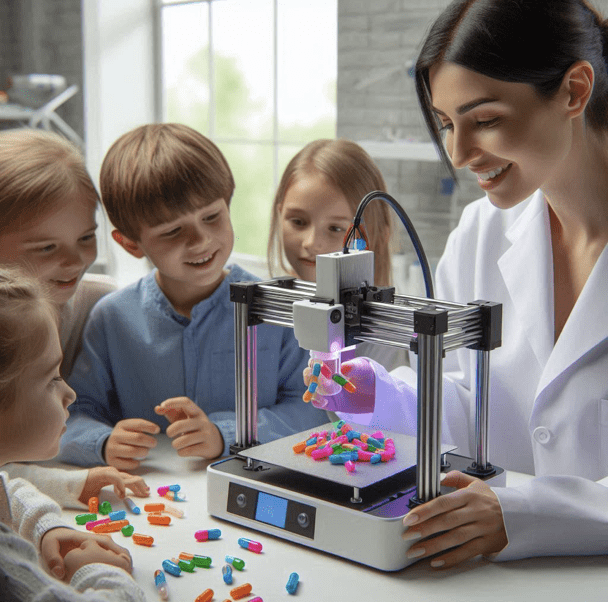
With the help of advanced AI software, we’ll create objects inspired by the world of pharmacy, bringing the profession to life in a unique and interactive way.

17:00-21:00

UL Fakulteta za farmacijo, Aškerčeva 7, Ljubljana

Screenshot 2025-07-17 at 21.50.10

Humanistika Logo

Using a 3D printer and advanced mechanical design, we’ll bring these AI-generated forms to life — while highlighting that the human touch is still essential when working with cutting-edge tools. This activity invites discussion on the potential of artificial intelligence in pharmaceutical technology and encourages young people to stay aware of emerging trends and use them responsibly.


The event is organized for you by: Blaž Grilc, Nina Katarina Grilc, Katarina Bolko Seljak (Faculty of Pharmaceutical Sciences, University of Ljubljana).